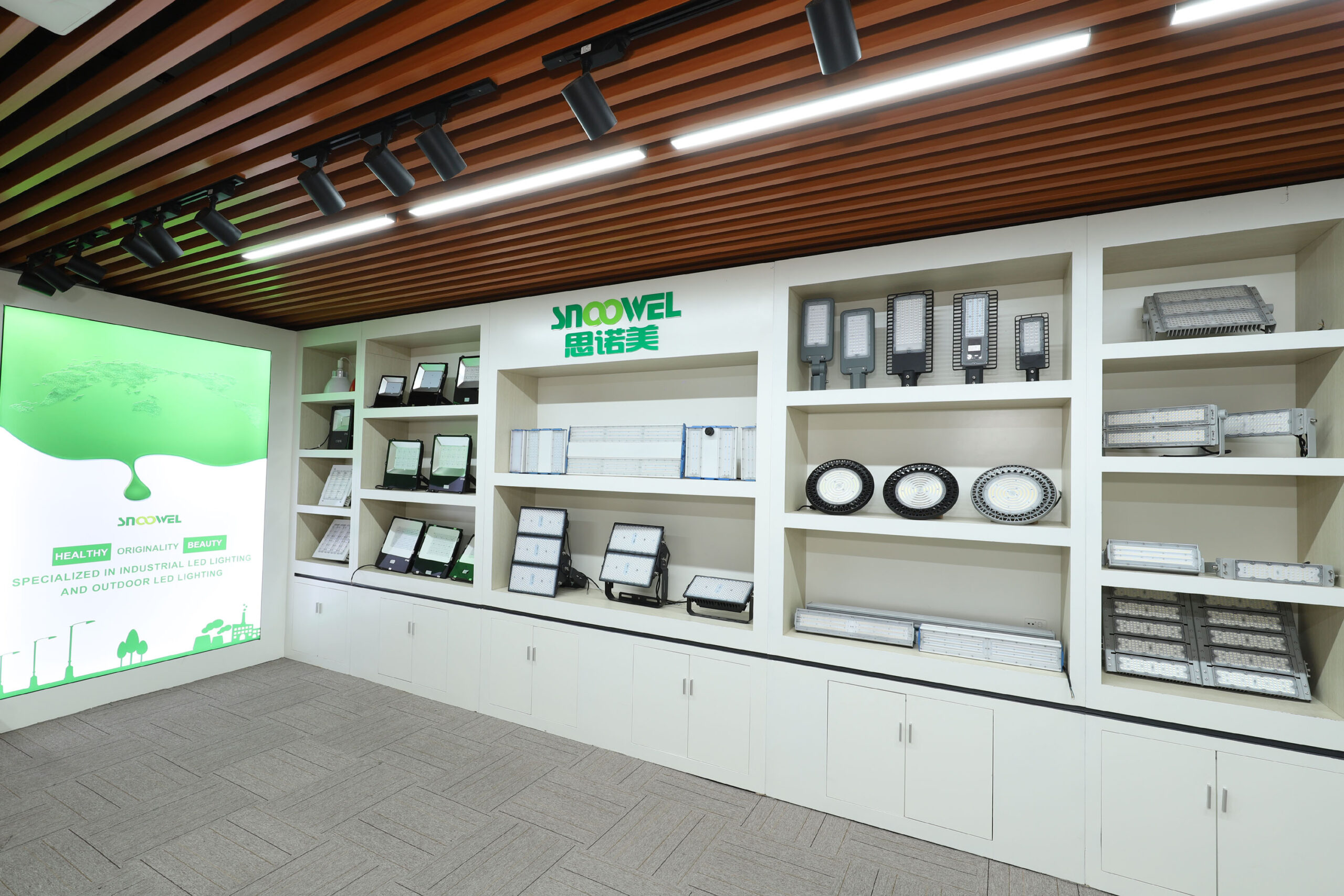
When it comes to LED lighting for industrial facilities, outdoor infrastructure, and commercial projects, extended LED lifespan shouldn’t just be a goal — doing so will directly save maintenance costs, downtime, and your investment. However, one issue most LED buyers fail to consider when purchasing lighting options is corrosion.
At SNOOWEL, we have over 15 years of experience manufacturing industrial-grade and outdoor LEDs. During that time, we’ve witnessed hundreds of lights fail prematurely. Not from poor design practices, but from environmental corrosion. If you’re in charge of ensuring your lighting performs as expected in even the harshest conditions, it’s important to understand how corrosion happens and what you can do about it.
Read our handy guide on everything you need to know about LED corrosion: what causes it, how you can prevent it, and how corrosion-resistant design can save you time and money in the long run.
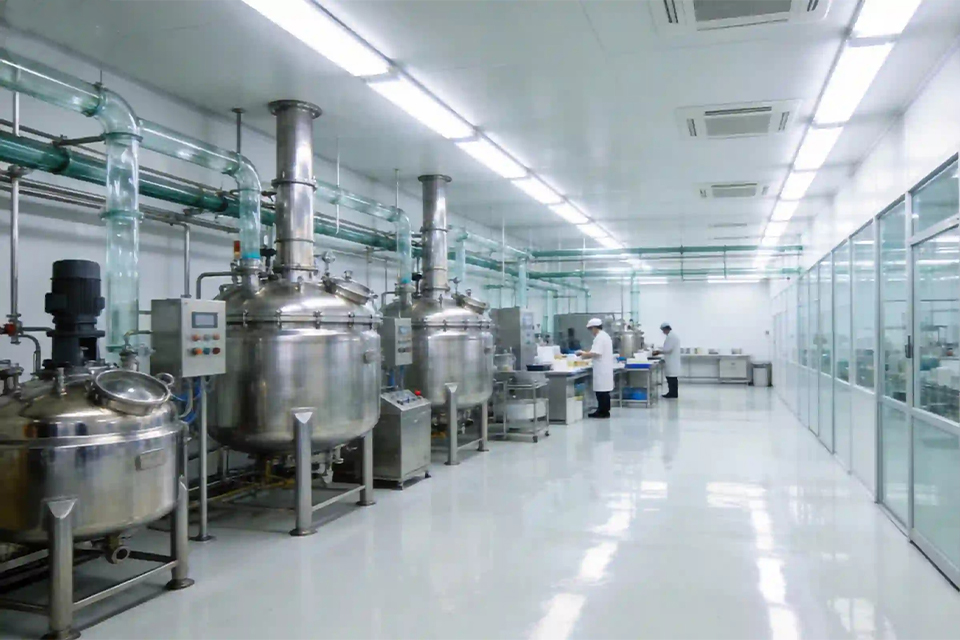
Why LED Corrosion Matters for Product Lifespan
LEDs are rugged and designed to last a long time, but the optoelectronic components inside remain reactive and susceptible to chemical corrosion. Corrosive gases can eat away at metals found in the LED package (silver being the worst culprit), causing discoloration, loss of luminous flux, unstable electrical performance and failure.
Workshops, coastal environments, gas stations, tunnels, parking garages and outdoor stadiums are all prone to increased exposure to humidity, temperature changes and airborne pollutants. Even minute exposure to corrosive gases will eventually cause corrosion.
Corrosion can be prevented, which is great news for LED longevity and stable operation.
Understanding the Root Cause: What Triggers LED Corrosion?
At its core, LED corrosion occurs when harmful chemicals react with sensitive materials inside the LED. Among these substances, sulfur-containing compounds — especially hydrogen sulfide (H₂S) — are widely recognized as the primary cause.
These gases can originate from industrial processes, rubber components, polluted air, or even certain materials used during installation or manufacturing. Surprisingly, corrosion risks may begin before installation if LEDs are exposed to contaminated environments during production or storage.
Common materials that may release corrosive substances include:
- O-rings
- Gaskets
- Organic rubber
- Foam pads
- Sealing rubber
- Sulfur-containing vulcanized elastomers
- Shock-absorbing pads
For this reason, professional manufacturers like SNOOWEL implement strict quality control procedures and maintain clean production environments to minimize contamination from the very beginning.
Key Strategies to Prevent LED Corrosion
1. Avoid Harmful Substances Whenever Possible
The best prevention strategy is simple: Don’t expose. Design, fabrication, and installation all require smart material selection. Choosing materials that don’t contain sulfur as well as strict controls of incoming materials can decrease corrosion opportunities.
Tiny amounts of corrosive gases emitted by equipment or packing can impact LED reliability. For this reason, it’s best to take preventative measures.
2. Choose LEDs Engineered for Corrosion Resistance
In many real-world applications — such as coastal warehouses, tunnels, chemical plants, or transportation hubs — complete avoidance of corrosive environments is impossible. In these cases, selecting LEDs designed with advanced protective technologies becomes critical.
SNOOWEL integrates specialized anti-corrosion coatings, sealed structures, and optimized material selections into its high-end industrial and outdoor lighting solutions, including LED high bay lights, street lights, and flood lights. These design features enhance resistance to harmful substances and help maintain consistent performance in harsh conditions.
However, it’s important to understand that no LED is entirely immune to corrosion. The level of protection always depends on the concentration of harmful gases and environmental severity, making proper system planning equally important.
3. Control Environmental Factors: Temperature and Humidity
Beyond chemical exposure, environmental conditions greatly influence corrosion speed. High temperatures, humidity, and light intensity can accelerate chemical reactions.
Two factors play the most significant role:
- Concentration of corrosive substances
- Ambient temperature
Maintaining proper ventilation, controlling humidity, and reducing heat buildup can slow down degradation and extend product life. SNOOWEL designs its LED solutions to remain stable in high-temperature and high-humidity environments, helping clients achieve reliable operation even under challenging conditions.
How SNOOWEL Builds Corrosion-Resistant LED Lighting
Since 2008, SNOOWEL has focused on delivering high-performance industrial and outdoor LED lighting engineered for reliability. Our approach to corrosion prevention combines material science, advanced engineering, and strict quality management.
Rigorous Quality Control:
Every product undergoes strict QC procedures to ensure contamination-free production and consistent durability.
Advanced R&D and Innovation:
As a green technology innovator, our R&D team continuously develops eco-friendly, energy-efficient solutions featuring enhanced corrosion resistance and optimized structural design.
Global Certifications and Compliance:
SNOOWEL products meet international regulatory standards, ensuring safe and dependable performance across diverse markets.
Application-Focused Solutions:
Beyond manufacturing, we provide professional lighting recommendations tailored to specific environments — helping clients reduce exposure to corrosive materials and maximize system lifespan.
The Bottom Line: Corrosion Prevention Is Essential for Long-Term LED Performance
Be it warehouses, city expressways, outdoor stadiums, tunnels, or gas stations, corrosion protection should be integrated into your lighting plan from the start. With proper know-how about environmental challenges, choosing the right corrosion-proof products and correct installation techniques, businesses can prolong LED life cycle and avoid high maintenance fees.
At SNOOWEL, we combine years of industry expertise with continuous innovation to deliver reliable lighting solutions designed to withstand demanding environments. Our mission is to help global partners achieve long-term performance, energy efficiency, and sustainable growth through high-quality LED technology.
Choose SNOOWEL — your trusted partner for durable, high-performance, and corrosion-resistant LED lighting solutions.